Classic Spaghetti Carbonara
The authentic Roman way — silky, rich, and utterly irresistible. No cream, just pure tradition.
The authentic Roman way — silky, rich, and utterly irresistible. No cream, just pure tradition.
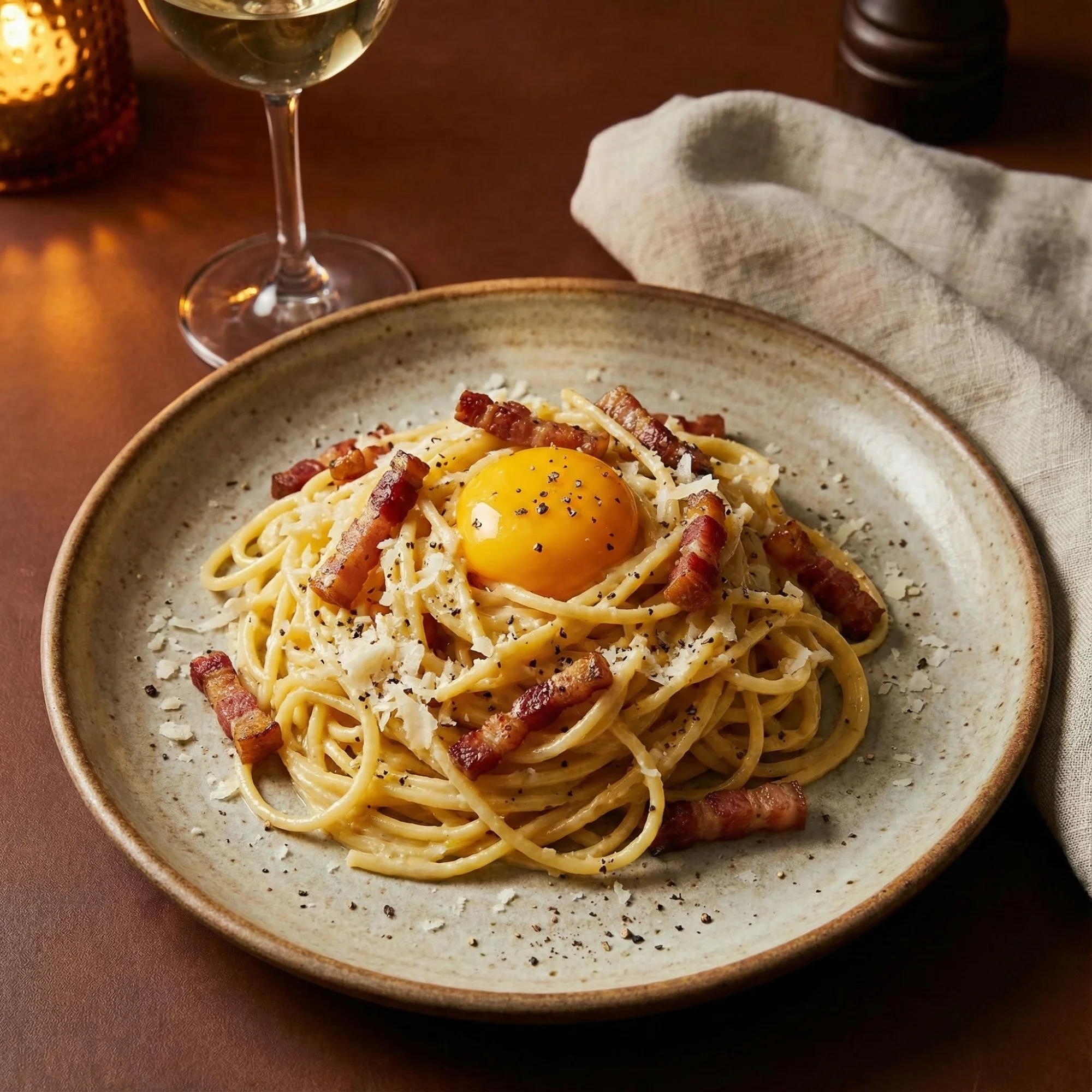
Bring a large pot of generously salted water to a rolling boil. The water should taste like the sea. Add the spaghetti and cook according to package directions until al dente, usually 8-10 minutes. Remember, the pasta will continue cooking slightly when mixed with the sauce.
While the pasta cooks, dice the guanciale or pancetta into small cubes (about 1cm). Heat a large skillet over medium heat and add the guanciale. No oil needed — the fat will render out. Cook for 5-7 minutes, stirring occasionally, until crispy and golden. The rendered fat is liquid gold for this dish.
In a medium bowl, whisk together the egg yolks, whole egg, both grated cheeses, and a generous amount of freshly ground black pepper. Whisk vigorously until smooth and creamy. The mixture should be thick but pourable. This is the heart of your carbonara sauce.
Before draining the pasta, use a ladle or measuring cup to reserve at least 1 cup of the starchy pasta cooking water. This liquid gold is essential for creating the perfect sauce consistency. The starch helps emulsify the egg and cheese mixture.
Drain the pasta and immediately add it to the skillet with the crispy guanciale. Remove the skillet from heat — this is crucial. Working quickly, pour the egg mixture over the hot pasta and toss vigorously with tongs. Add the reserved pasta water gradually, about 2-3 tablespoons at a time, tossing constantly. The residual heat from the pasta will gently cook the eggs, creating a creamy, silky sauce. If it's too thick, add more pasta water. If it's too thin, keep tossing; it will thicken as it cools slightly.
Carbonara waits for no one! Divide among warm plates immediately. Top with extra grated Pecorino Romano and a generous grinding of black pepper. The pasta should be creamy, glossy, and coat each strand beautifully. Serve with crusty bread to mop up every last bit of that incredible sauce.
The secret to perfect carbonara is temperature control. The pan must be off the heat when adding the egg mixture to prevent scrambling. The residual heat from the pasta is exactly what you need to create that signature creamy texture.
Authentic carbonara never contains cream. The creaminess comes entirely from the emulsion of eggs, cheese, and pasta water. If you've only had "carbonara" with cream, you haven't experienced the real thing!
Guanciale is traditional, but pancetta is an excellent substitute. If you can't find either, thick-cut bacon will work in a pinch, though the flavor will be slightly different.
The origins of spaghetti carbonara are hotly debated, but most food historians agree it emerged in Rome in the mid-20th century. One popular theory suggests it was created for American soldiers after World War II, combining their bacon rations with Italian pasta. Another theory credits the "carbonari" (charcoal workers) who supposedly ate this hearty dish while working in the Apennine Mountains.
Whatever its true origins, carbonara has become one of the four classic Roman pasta dishes (along with cacio e pepe, amatriciana, and gricia), and it's beloved worldwide for its simple yet sophisticated flavors.
Guanciale vs. Pancetta vs. Bacon: Guanciale is cured pork jowl with a rich, fatty texture and deep porky flavor. Pancetta is cured pork belly, slightly less fatty but still delicious. American bacon is smoked, which adds a different dimension—not traditional, but tasty in its own right. For the most authentic carbonara, seek out guanciale at Italian specialty stores or online.
Pecorino Romano: This sharp, salty sheep's milk cheese is essential to authentic carbonara. Don't substitute with Parmesan alone—the flavor won't be the same. A 50/50 blend of Pecorino and Parmigiano-Reggiano offers the perfect balance of sharpness and nuttiness.
Eggs: Use the freshest eggs you can find. The yolks should be bright orange-yellow, indicating high quality and better flavor. Room temperature eggs emulsify more easily than cold eggs.
Adding Cream: Never! This is the most common mistake and instantly marks you as a carbonara amateur.
Scrambling the Eggs: Keep the pan off heat when adding the egg mixture. If you scramble the eggs, you'll have egg fried pasta, not carbonara.
Using the Wrong Pasta: Spaghetti, rigatoni, or bucatini work best. The shape should hold the sauce well.
Not Reserving Pasta Water: This starchy water is crucial for achieving the proper consistency.
Overcooking the Pasta: Al dente is essential—the pasta continues cooking slightly when tossed with the sauce.
The richness of carbonara calls for a wine with good acidity to cut through the fat. Try a crisp white like Verdicchio dei Castelli di Jesi or Frascati from Lazio (the region where carbonara originated). If you prefer red, a light Chianti or Montepulciano d'Abruzzo works beautifully. The key is choosing something with enough acidity to balance the dish without overpowering its delicate flavors.
Carbonara is best enjoyed fresh and doesn't store or reheat well due to the egg-based sauce. However, if you must store leftovers, keep them in an airtight container in the refrigerator for up to 1 day. Reheat gently over low heat with a splash of water or milk, stirring constantly.
Pro tip: If you know you'll have leftovers, slightly undercook the pasta initially. It will continue cooking during reheating.
This recipe easily scales up or down. The ratio to remember is: 100g pasta per person, 50g guanciale per person, 1 egg yolk per person plus 1 whole egg for the batch, and about 25g of cheese per person. So for 2 people: 200g pasta, 100g guanciale, 2 yolks + 1 whole egg, 50g cheese.
Vegetarian Carbonara: Replace guanciale with smoked paprika and sautéed mushrooms for depth.
Truffle Carbonara: Add a drizzle of truffle oil to the finished dish for luxury.
Spicy Carbonara: Add red pepper flakes with the black pepper for heat.
Spring Carbonara: Toss in blanched asparagus or peas for a seasonal twist.
While carbonara is indulgent, it also provides good nutrition. Eggs provide high-quality protein and essential vitamins like B12, D, and choline. The cheese adds calcium and protein. Guanciale, while fatty, provides energy and makes the dish incredibly satisfying—you'll need a smaller portion to feel full compared to cream-based sauces.
Q: Can I make carbonara ahead?
A: No, carbonara must be made fresh and served immediately for best results.
Q: My sauce is too thick—what do I do?
A: Add more reserved pasta water, a tablespoon at a time, until you reach desired consistency.
Q: My sauce is too thin—help!
A: Keep tossing the pasta; the sauce will thicken as it cools. You can also add a bit more grated cheese.
Q: Can I use whole eggs instead of just yolks?
A: For a lighter sauce, use all whole eggs. For a richer sauce, use mostly yolks with one whole egg.
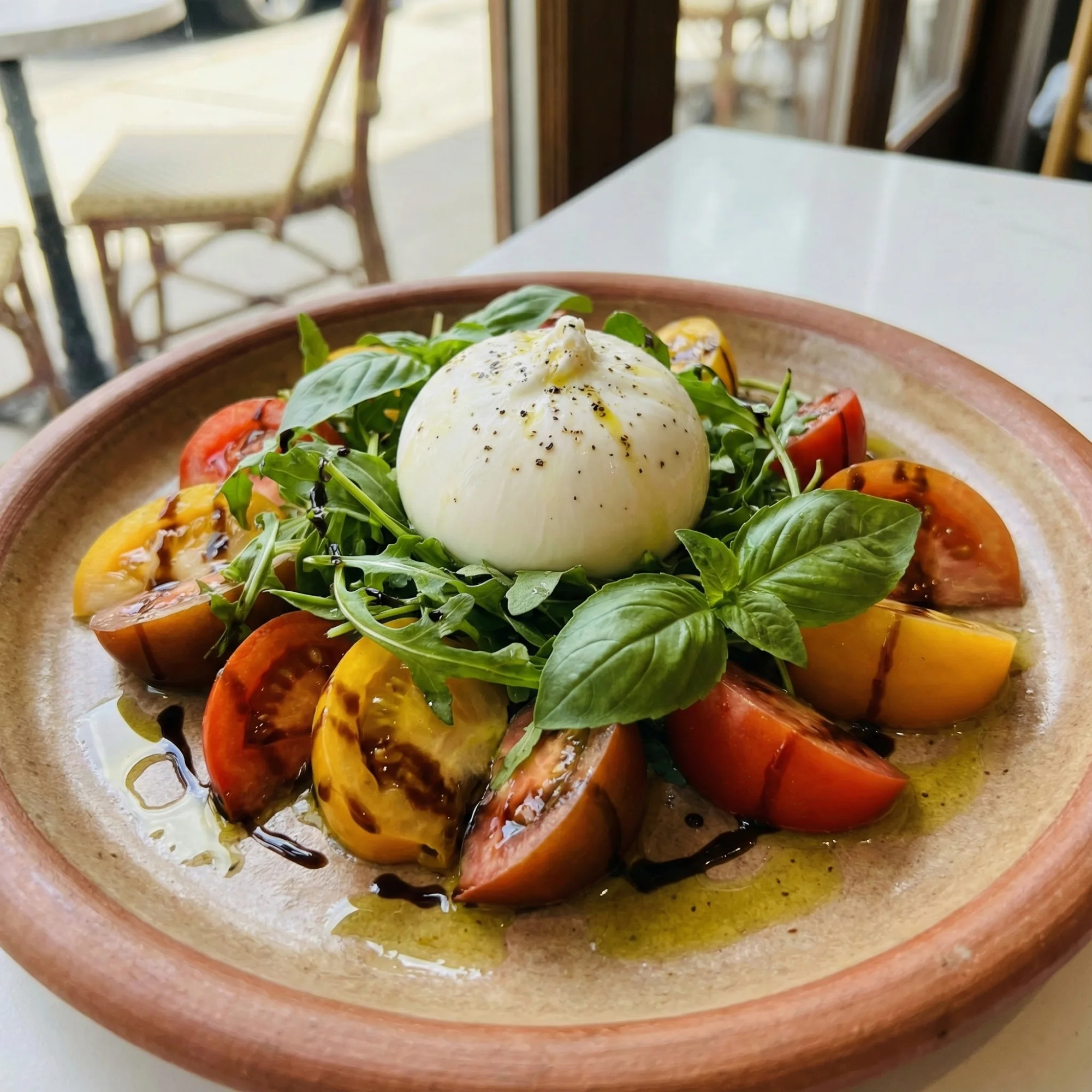
Creamy burrata with heirloom tomatoes and fresh basil.

Japanese-inspired bowl with glazed chicken.
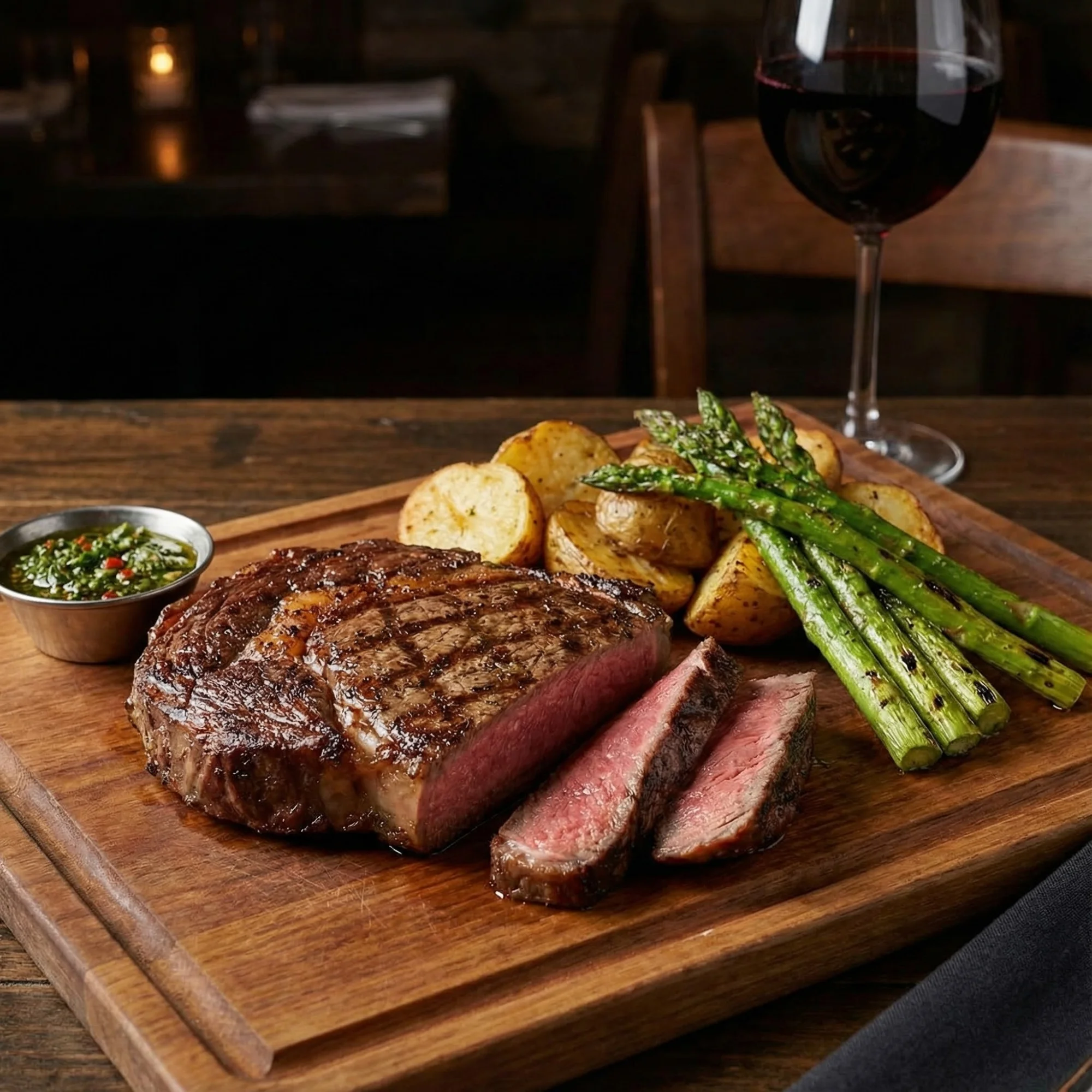
Restaurant-quality steak cooked at home.